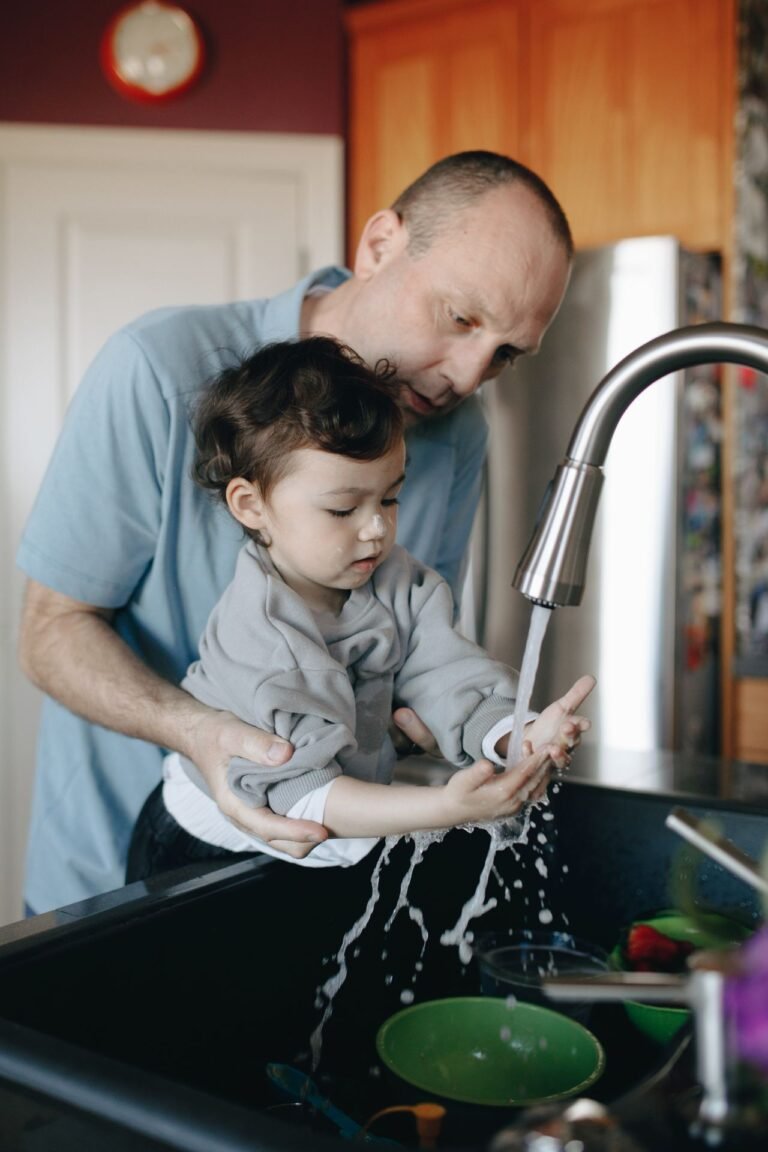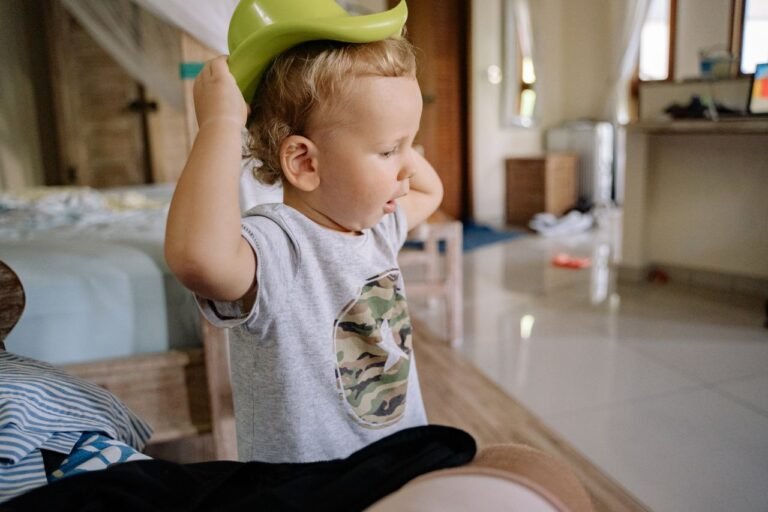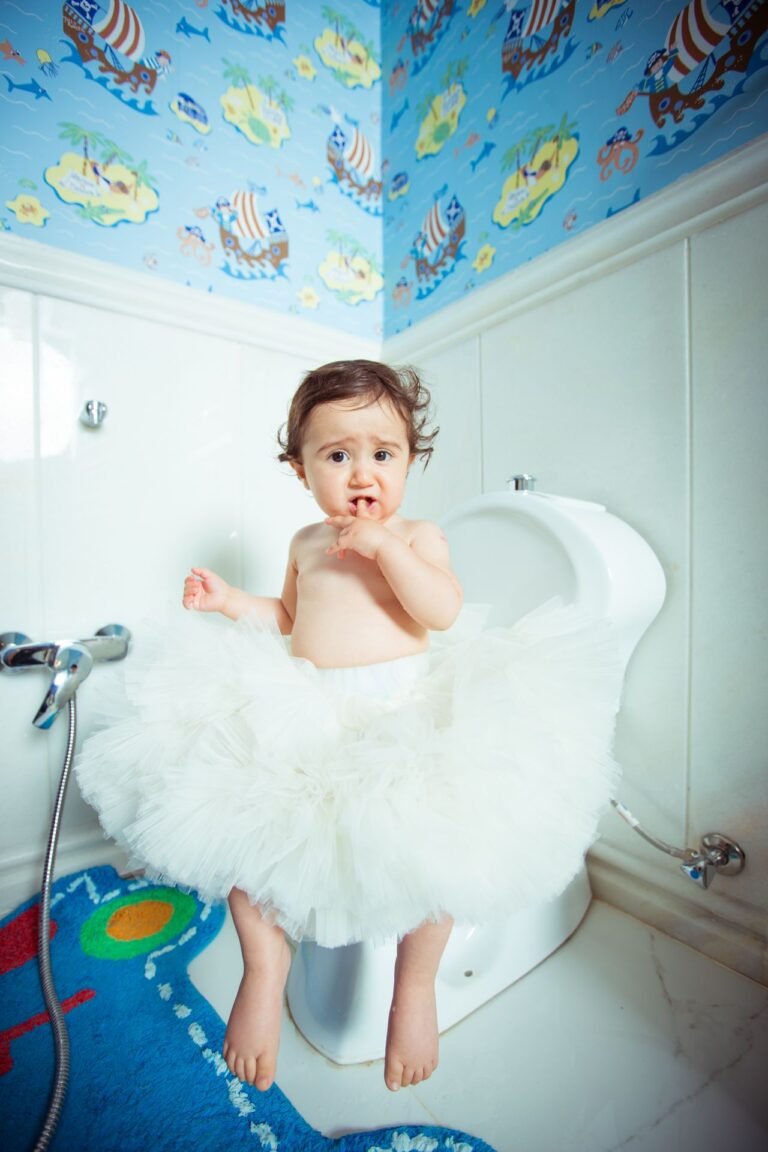




If your toddler isn’t potty trained yet and someone else’s is, take a breath. Here’s what we wish we had known sooner.
With seven kids, we watched seven very different timelines. One was ready at barely two. One showed every sign and still said no until he was nearly four. Across all of them, readiness showed up anywhere from about two to around four.
It’s easy to compare your child to a cousin, a neighbor or a friend’s post online. We did, with our first son, and it made a hard season heavier. Readiness is a signal your child gives you, not a birthday.
The signs we watched for
- A diaper that stays dry overnight for a week or more
- Staying dry for longer stretches during the day
- Awareness of pooping, like going off to a corner to hide and then coming back out to play
- Not liking the feel of a wet diaper or wet underwear
- Wanting to be a big kid like an older brother or sister
The American Academy of Pediatrics lists similar signs, including a child who “does not like to be in wet diapers and wants to be changed” and who “asks to wear ‘big-kid’ underwear.”
Ready isn’t the same as willing
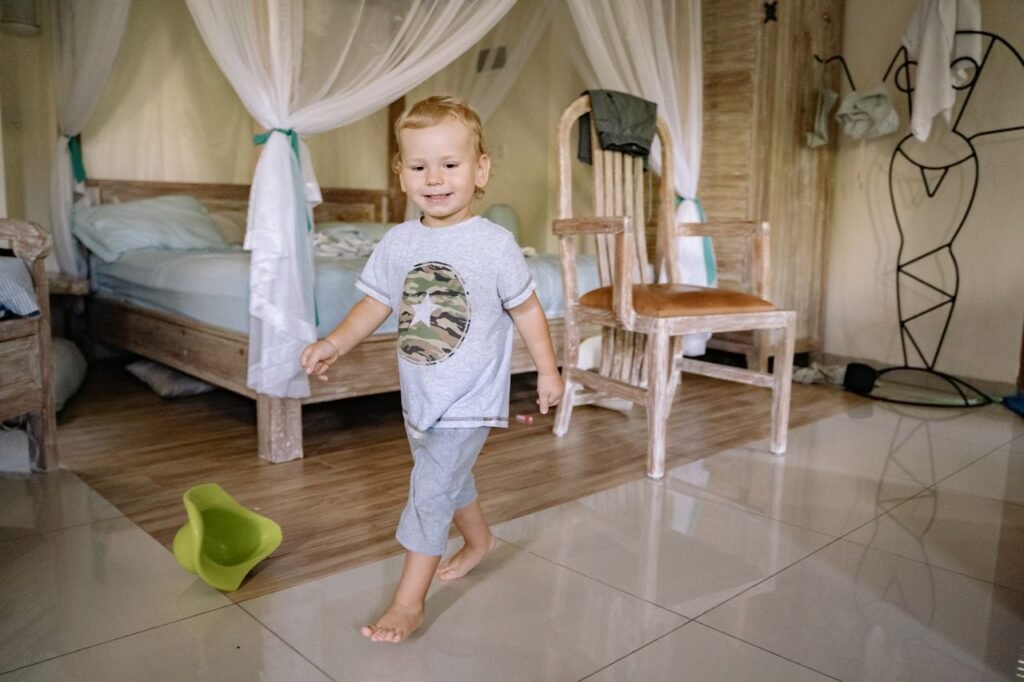
Our second son stayed dry overnight, knew when he was wet, and wanted to be changed right away. He showed every sign and still said no. What he needed was time, and a dad who stayed close instead of laying down the law.
When we looked at what pediatric sources say, including HealthyChildren.org from the American Academy of Pediatrics, the Mayo Clinic and Yale Medicine, the common thread was readiness. The Mayo Clinic puts it this way: “Let your child’s motivation, instead of your eagerness, lead the process.”
If the signs aren’t there yet
You can test the waters. With our youngest, we asked for months if he wanted to sit on the potty, diaper on or off, just to see what it felt like. There was no pressure, and we learned where he was.
Try jotting down what you notice for one week: dry stretches, hiding to poop, asking to be changed. Then talk with your child’s pediatrician about what’s right for your family.
Days first, nights later
Dry nights were our main signal, and it held for most of our kids. But nights can lag behind days, and when they do, nothing is wrong. We go deeper on that in Potty Trained All Day but Still Wetting the Bed?
Kids reach milestones on their own schedules, and not only this one. If you enjoy that topic, our guide to when children typically say each sound makes the same point about speech.
Progress over perfection
We don’t chase perfection. We celebrate progress. Every small step, a dry day, a good try, a proud flush, is something worth noticing, and it all happens one ordinary day at a time.
Keep reading
- Potty Training Doesn’t Have to Be a Battle
- Mentoring for Different Ages: Adapting to Your Child’s Growth
- The Potty Training Moments Nobody Warns You About
Start with the readiness checklist.
Our free 12-page sample includes the Readiness Checklist printable, plus a letter to Mom and our chapter on what pediatric sources say about timing.
Not medical advice. One family’s experience, shared with grace.