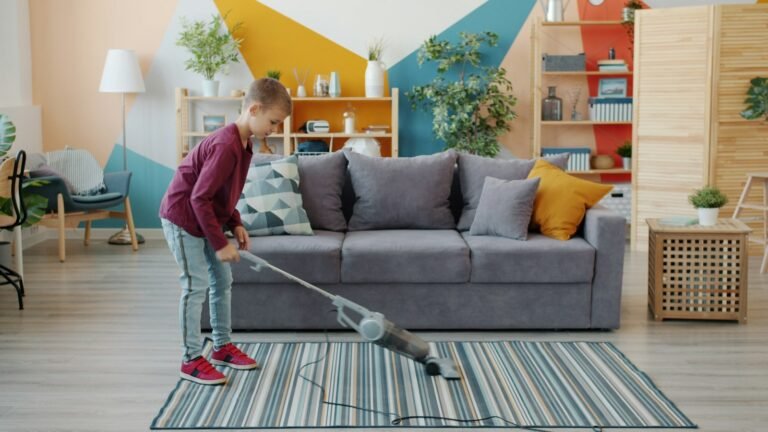




Kids acting out during winter break is common, and it usually happens because the structure that holds their days together disappears. Boredom, late nights, a break in routine and a lot of holiday excitement all hit at once. The fix is not a stricter house. It is a calmer, more predictable one.
We have seven kids, ages 22 down to 2, with five still at home. The biggest thing that has helped us is pre-teaching: talking as a family about what we want the break to be like before it starts. Here is how we do that, plus a few other things that help.
Why Kids Act Out During Winter Break
- Boredom. A psychologist at Henry Ford Health says much of the holiday behavior trouble comes from kids being bored.
- No structure. A Penn State children’s health team notes that without school, it is easy for kids to stay up late, sleep in and skip meals and chores.
- Messed-up sleep. Late movie nights, parties and general excitement can throw off bedtime routines, and tired kids are harder to live with.
- Big feelings. Holidays are exciting and a little overwhelming, and kids do not always have the words for that.
None of this means your child is a problem. It means their world just changed, and they need help adjusting.
What to Do When Kids Act Out During Winter Break
1. Pre-teach the break before it starts
This is the big one for us. Before break begins, we sit down as a family and talk about what we want the break to be like. We do not wait for the first argument and then hand down rules. We teach what we hope for first.
We keep the conversation simple and talk through three questions:
- What do we want this break to be like? Let the kids answer. Words like “fun,” “peaceful” and “together” show up fast.
- What do we want to do? Everyone gets to share ideas, from baking to games to lights to one big trip. Put the best ones on the calendar.
- What will make it that way? This is where the expectations live: how we talk to each other, when chores happen, when screens are on, and what we do when someone has a hard moment.
The third question is the most important. When kids have already helped decide what makes a good break, the rules sound like our plan instead of my orders. When trouble comes, you can go back to the plan: “Remember, we said we want a peaceful break.” Our post on how pre-teaching prevents meltdowns goes deeper on why this works.
Pre-teach again before the big events, too: the party, the long drive, Grandma’s house. A two-minute talk in the car about what is coming and what you expect prevents a lot of meltdowns.
2. Keep a loose daily rhythm
You do not need a school schedule. Keep a few anchors: a wake-up window, meals at roughly the same time, a quiet time in the afternoon and a normal bedtime. Those anchors do most of the work.
3. Plan something for each day
Boredom causes trouble, so give each day one thing to look forward to: a walk, a game, baking, a project, a drive to see lights. It does not have to be fancy. Our ideas for keeping kids busy work in December too.
4. Decide the consequences ahead of time
Calm parenting is much easier when you already know what happens when a rule is broken. Our Level 1 and Level 2 consequences list is how we keep it predictable instead of emotional. If your child is testing limits, see what to do when kids test boundaries.
5. Keep the chores going
A few small jobs each day give kids a sense of purpose and keep the house from falling apart. Start with our age-appropriate chore list.
6. Give each child some one-on-one time
In a big family it is easy for a child to get lost in the crowd. Even ten minutes alone with one child, a walk, a card game or a trip for hot chocolate, can change their whole mood. Time off school is a good chance to do this.
Want a calm plan you can follow?
The Calm Parenting Toolkit walks you through leading your home without yelling, so a long break does not have to turn into a long fight.
Kids Acting Out During Winter Break: FAQ
Is it normal for kids to misbehave over winter break?
Yes. Change in routine, extra sugar, late nights and big emotions are a hard mix for any child, and it is very common.
How do I stop the fighting between siblings?
Give them separate things to do, build in quiet time and keep consequences consistent. Time apart before a fight starts works better than breaking one up.
When should I be concerned?
If the behavior is severe, scary or continues well after the break ends, talk with your child’s pediatrician or a counselor. Everyday winter break chaos is one thing; a long-lasting change is another.
Hope for the Break
A calm holiday does not happen by accident. It happens because a parent decided ahead of time what the days would look like. You do not have to do it all. Pick two or three of these ideas and start there.
Start with the Calm Parenting Toolkit.
You may also like our winter break screen time rules, and we share family-friendly picks in our Facebook deals group.