

Estimated read time: 7–9 minutes
This post may contain affiliate links. As an Amazon Associate, we may earn from qualifying purchases at no additional cost to you.
If you’re assembling a 72-hour kit, you’ll want to cover five categories. Here’s what we’ve learned from testing portable power for home use and camping — and building grab-and-go backpack systems.
For the beginner’s mindset on why we prioritize power over pantry items, read the first article in this series — where we explain how we’ve used a portable power station to keep a home office running and extend battery life with solar during outages.
The 5 Categories Every Kit Must Cover
After testing gear for home backup and camping trips, we identified five categories that every family should cover:
- Power & Communication (everything depends on this)
- Food & Water (obvious, but often mismanaged)
- Health & Safety (prescriptions, first aid, sanitation)
- Comfort & Mental Health (especially critical with kids)
- Tools & Skills (because gear without know-how is just expensive clutter)
We store our kit in two backpacks — one for supplies, one for clothes. Grab and go in under a minute.
Category 1: Power & Communication (Start Here)
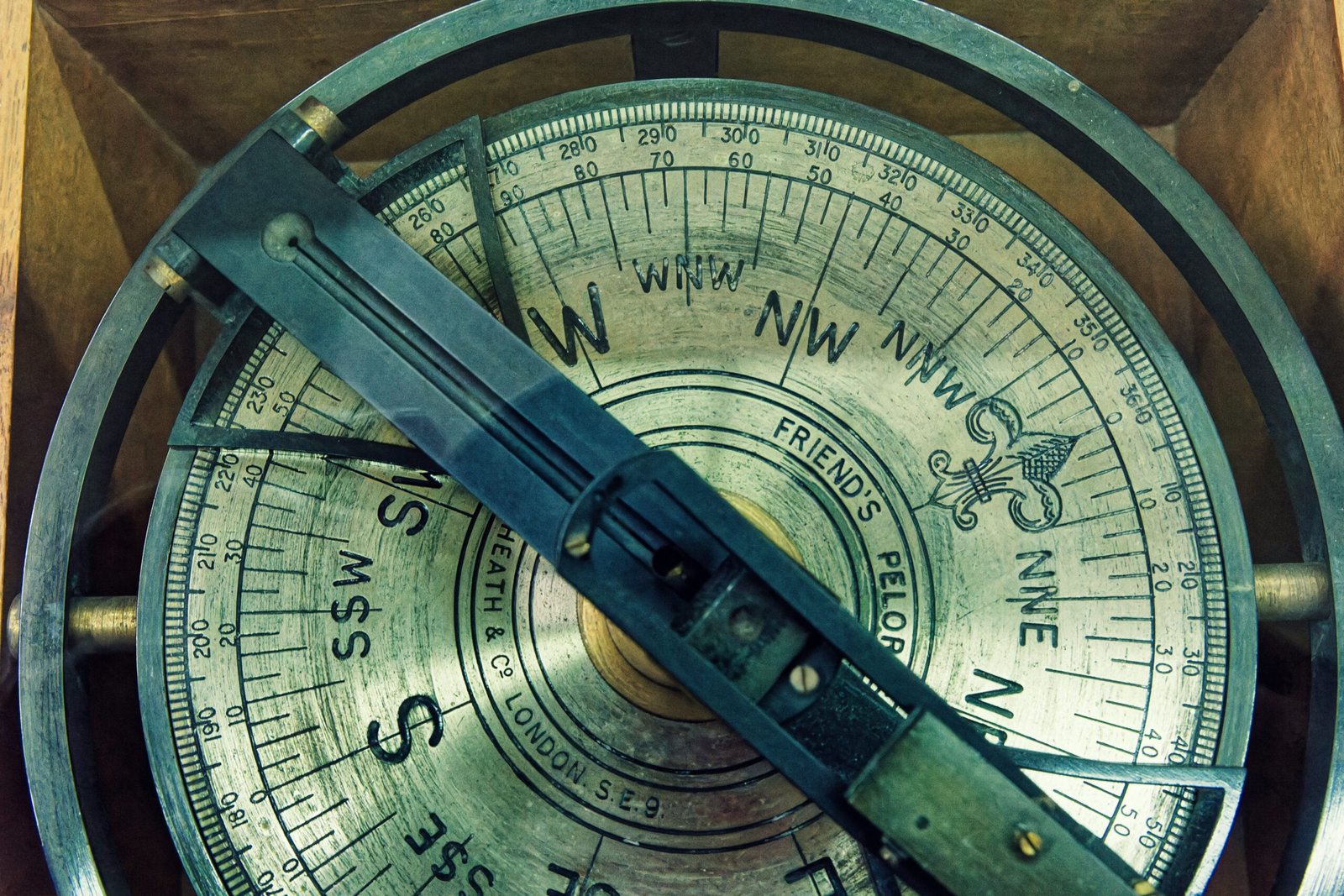
Takeaway: Without power, nothing works for long. Phones die. Refrigerators warm. Communication breaks down. When cell towers fail, maps and a compass become critical tools.
- Local maps: We rip pages from an old phone book so each person has one
- Compass: Every family member learns how to use one
- Emergency radio: Midland ER40 Emergency Radio keeps us updated, crosses as a power bank, and has a hand crank
- Bandanas: Each family member has one to mark gear or signal each other.
How to Read a Map & Compass: REI Guide
Our Recommended Setup (Budget to Premium):
1.1 Main Power Station
Bluetti AC200 — 2000Wh ~$1,000
Here’s what we know from actual use:
- Capacity: 2000Wh runs a small refrigerator + home office for several hours
- Output: Multiple ports (AC, USB, 12V) — charge everything at once
- Expansion: Compatible with additional battery packs and solar input
- Real-world test: We’ve used it during short outages, keeping the refrigerator cold and home office running. We connected solar panels while drawing from the battery — the trickle charge extended runtime by keeping the battery topped up during the day.
Trade-offs: Heavy (60 lbs). No rain charging. Pricey but pays for one avoided day of lost work.
Budget alternative: Jackery Explorer 1000 ~$560 – half the capacity, but sufficient for phones, tablets, and small devices.
1.2 Solar Charging
Rich Solar 100W solar panels (at ~$120 each)
We use four. Here’s the math:
- 4 panels × 100W = 400W input
- Bluetti AC200P recharges in 6-8 hours of direct sun
- DIY stands from PVC pipe (~$15 at Home Depot)
Pro tip: You can run devices from the battery while the panels are charging – we’ve tested this during outages and it works.
1.3 Communication Backup
Midland ER40 Emergency Radio ~$50 – NOAA weather alerts + hand-crank charging + USB output.
Or for true off-grid: Garmin inReach Mini ~$400 but can be found on sale for less than $300 – satellite communicator, works anywhere.
1.4 Device Backup
Anker PowerCore 20100 Power Bank ~$25 — one per adult, keep charged.

Category 2: Food & Water
Water: The Forgotten Priority
Rule of thumb: 1 gallon per person per day × 3 days = minimum.
For a family of four, that’s 12 gallons. We store individual water pouches and Personal Water Filtration straws – easier to rotate and lighter to carry.
Food: No-Cook Required
Forget MREs. Here’s what actually works:
- Mountain House Beef Stroganoff – 30-year shelf life
- Nuts and dried fruit packets
- Emergency Food Bar – power packed with calories – 3-5 yr shelf life
- Manual Can Opener – never underestimate this
Water purification: Personal Water Filtration straws – We bought this 6 pk as a backup if stored water runs out or you’ll be on the go. If you’ve never used one – get it out and try it out, it’s better to learn now then during an event.
Category 3: Health & Safety
Prescriptions
- 7-day supply minimum (rotate monthly)
- Pain relievers (children’s and adult)
- Anti-diarrheal medication
- Any allergy medications
First Aid
- Bandages, gauze, medical tape
- Antiseptic wipes
- Thermometer
- Emergency contact cards (put it on paper using pen, not pencil – phones die)
- Emergency Blankets – we got this 10pk
- Emergency Poncho – emergencies often include rain, flooding and being in the elements.
- Emergency Tent – Sleeps two, uses buddy system
Sanitation
- Bathroom Toilet Paper – We have this on auto-ship and keep plenty on hand in case of emergency
- Hand sanitizer
- Wet wipes (unscented for sensitive skin)
- Women’s Hygiene
Category 4: Comfort & Mental Health
This is where most kits feel incomplete. Adults can survive on beans and silence. Kids need comfort items.
For Kids:
- One comfort item per child (stuffed animal, blanket, small toy)
- Coloring books + Crayola colored pencils — quiet, no mess
- Small travel games (magnetic chess set, card games)
For Adults:
- Powdered Drink packets = psychological comfort
- Candle (scent = psychological comfort)
- Printed family photos (digital = useless without power)
Category 5: Tools & Skills
Tools We Recommend:
- Multi-tool – Leatherman or Gerber are two strong options
- Flashlights – We got a couple of these that you can shake to charge
- Duct tape – Gorilla Tape – fixes everything
- Rope/paracord – Paracord – 25 feet minimum
Skills to Practice:
- Setting up the solar panels (do this now, not during an emergency)
- Using the manual can opener (seriously – try it out)
- Charging your phone from the power station (use daily)
- Purifying water (practice with purification tablets and Personal Water Filtration straws)
Kit Assembly Checklist (Backpack Format)
- Bluetti AC200P or Jackery Explorer 1000
- Solar panels + stands
- Midland ER310 or Garmin inReach
- Anker PowerCore banks
Backpack 1 — Supplies:
- Charging cables (assorted)
- 2 Liter water
- Ready-to-eat meals (1 per person)
- Emergency Bars
- Candy
- Manual can opener
- Water purification tablets
- Prescriptions (7-day supply)
- First aid kit
- Emergency contact cards
- Duct tape & zip ties (useful for repairs and securing gear)
- Cash (ATMs may not work, so we keep small bills on hand)
- Hygiene items (Baby wipes, soap, toothbrushes, and feminine hygiene products)
- Emergency Multi tool (A good Leatherman or Swiss Army Knife handles most small tasks)
- Emergency Radio (hand crank)
- Flashlight (shake to power)
Backpack 2 — Clothes:
- Changes of clothes (1 set per person)
- Blankets (compact emergency ones)
- Emergency Tent (shared by every 2)
- Comfort items (one per small child)
- Coloring books + pencils
- Small games
- Powdered drink mix
- Life Straw per person
- Printed family photos
Ready to Start Building?
If this checklist feels overwhelming, start with power. Just the Bluetti and one solar panel. Once that’s working, the rest falls into place.
For the beginner’s perspective on why we prioritize power over pantry items, read the first article in this series — where we explain how portable power kept our home office running during outages.
The best emergency kit isn’t the biggest one — it’s the one you can grab in 60 seconds.
Final Tips & Next Steps
- Keep your kits near the exit for fast access
- Do a family drill—practice grabbing your kits and using the gear
- Review your kit every six months and update food, meds, and maps
Want a printable checklist? Download the 72-Hour Kit Checklist from Ready.gov.